
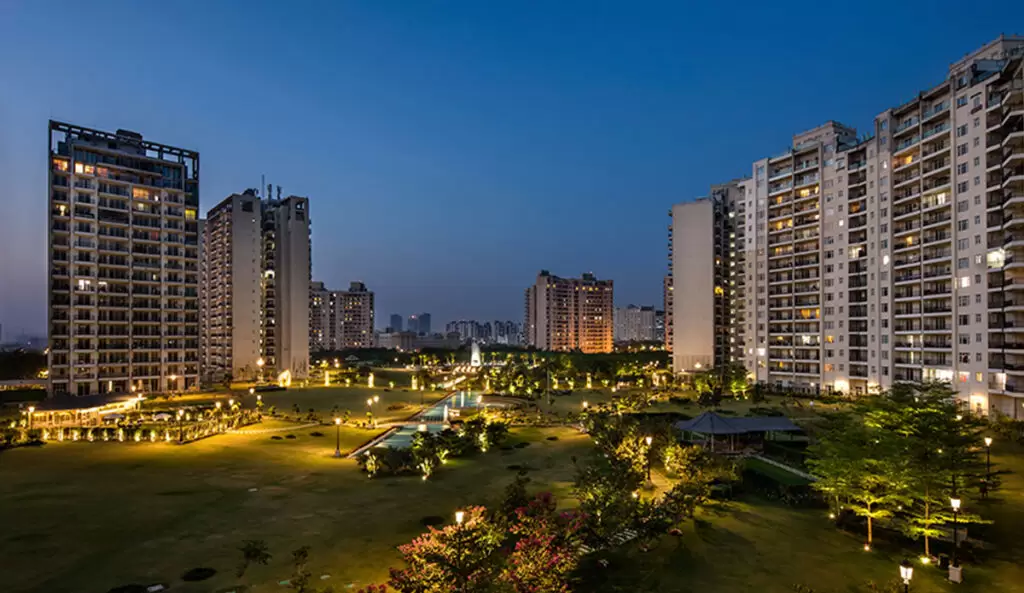
If you’re aSingapore-based individual considering purchasing land in India, Delhi and NCr regions has some fantastic investment opportunities.Under FEMA regulations, Non-Resident Indians (NRIs) and Overseas Citizens of India (OCIs) are permitted to purchase certain types of immovable property in India. Specifically, they can acquire residential andcommercial properties. However, purchasing agricultural land, plantation property, or farmhouses is generally prohibited for NRIs and OCIs Foreign nationals of non-Indian origin residing outside India are not allowed to purchase any immovable property in India unless such property is acquired by way of inheritance from a person who was a resident in India
What Counts as “Land”?
In the Indian context, “land” can refer to various categories:
The acquisition and transfer of immovable property in India by persons residing outside India are primarily governed by the Foreign Exchange Management Act (FEMA), 1999, and the regulations issued by the Reserve Bank of India (RBI).
NRIs and OCIs are not permitted to acquire
However, they can inherit such properties from a person resident in India, subject to certain conditions
The payment for acquiring permissible immovable property must be made through:
Payments cannot be made through traveler’s cheques, foreign currency notes, or any other mode not specifically mentioned
Delhi and Gurgaon, part of the National Capital Region (NCR), have distinct land acquisition processes due to their administrative structures and urban planning policies.
Delhi’s land is primarily managed by multiple authorities:
Purchasing land in Delhi involves navigating through these agencies, ensuring compliance with zoning regulations, and verifying land titles.
Gurgaon, officially known as Gurugram, falls under the jurisdiction of the Haryana Urban Development Authority (HUDA) and the Department of Town and Country Planning (DTCP).
Gurgaon’s land acquisition process is relatively streamlined, with clear demarcations of residential and commercial zones.
The word “land” in India is like a box of mixed wires. Not all land types are the same, and not every land parcel is legally available to Singapore-based buyers. Understanding theuse of land is critical.
Residential plots are pieces of land officially designated for homes, villas, orapartment buildings. These can be individual plots in planned townships, cooperative societies, or government-allotted layouts.
Local authorities (like DDA in Delhi or HUDA in Gurgaon) or private builders may sell these plots. They’re often part of planned colonies and come with approved zoning. These are safer bets for personal use or future construction.
Commercial plots are designated for shops, offices, showrooms, or mixed-use buildings. The demand is usually higher, and so are the risks. Also note, commercial plots attract higher stamp duty, and your tax slab changes too. GST might apply if the plot is part of a larger builder-driven project.
Many people get misled here. Farmhouses sound innocent — a nice villa surrounded by open space. But they sit on agricultural land. That’s not permitted for direct purchase by anyone living outside India.
Some brokers might try to sell “converted land,” promising that agricultural use has been legally changed. Always verify with the revenue department or land records office. Most “conversion” claims are fake or incomplete.
Buying land from abroad might feel like a maze, but it gets manageable once you break it into steps. Here’s what the journey looks like — from choosing the plot to final registration.
Decide if you’re buying for:
Stick to plots with clear residential or commercial zoning. Avoid anything agricultural or “village land” unless you’re inheriting it.
Ask for these:
Hire a local lawyer. Do not rely on just the seller’s documents. Also check with the tehsildar’s office or revenue department for any pending cases.
All payments must be made through Indian bank accounts. You’ll need:
The funds must be remitted from Singapore via legal channels. Never use cash or someone else’s account.
Work with a lawyer. This should include:
This agreement needs to be signed on stamp paper and notarised.
If you won’t be in India for registration, you must create a POA for a local person to act on your behalf. Sign this at the Indian embassy in Singapore. Then courier it to India and get it stamped at the registrar office there.
The registration process happens at the local Sub-Registrar Office. You’ll pay:
The land will be transferred to your name and recorded in government land records.
After registration, mutation is the process of officially updating the land ownership in the local records. It’s important for paying future land tax and proving ownership in any future sale.
Even experienced buyers get caught off guard when it comes to land deals. Scams, unclear ownership, illegal zoning — all of it happens, and it’s worse when you’re sitting overseas. Here are the biggest traps to watch for.
A clean title is everything. If a plot has changed hands multiple times without proper registration or if it’s tied up in inheritance disputes, walk away. A lot of land in Delhi and Gurgaon is still held under family names with no clear documentation.
Red flag: Seller cannot produce mutation records or full ownership chain.
Fix: Your lawyer should do a full title search from land records office.
Some sellers offer land under a General Power of Attorney (GPA) without a registered sale deed. This is illegal now. You can’t legally buy or register property just on GPA.
Red flag: The seller says, “Don’t worry, I have GPA, just sign this agreement.”
Fix: Only accept fully registered sale deeds in your name.
This happens mostly in Gurgaon. Local village land gets carved into plots and sold as cheap residential sites. But these aren’t officially zoned or approved by DTCP or HUDA.
Red flag: The price is too good, location is too central, documents feel too thin.
Fix: Ask for the DTCP approval file. If it’s not in writing, it’s not legal.
There are “shortcuts” floating around on social media and in local investor circles. These might seem smart on the surface, but they can wreckyour investment down the line.
Some people try to register land under a local relative or friend’s name, thinking it’ll bypass legal limits. It works at first — until trust breaks down or inheritance laws kick in.
Why it fails: You don’t own anything on paper. You can’t sell, rent, or build without their permission.
Brokers love selling farmland saying it’ll be converted to residential or commercial land soon. They promise a “conversion certificate coming soon.”
Why it fails: Conversion takes years and has no guarantees. Many such plots get stuck due to environmental or zoning blocks.
Some buyers team up with an Indian citizen to form a partnership firm and then use that firm to buy land. This works only if the partnership is genuine and legally sound.
Why it fails: RBI frowns on proxy ownership. Any signs of a fake structure can attract scrutiny or even lead to asset seizure.
This is the worst. No paperwork, just a cash payment and a handwritten agreement. It’s common in semi-rural areas of Gurgaon.
Why it fails: If it’s not registered, it doesn’t exist in the eyes of law. You can’t sell it, claim it, or even defend it.
Land in India isn’t just a plot on paper. It’s a mix of law, patience, and constant follow-up. Done right, it gives solid control and capital growth. Done wrong, it can trap your money for years.
So, before you move forward, here’s a final checklist.
☐ Do you hold an Indian passport or OCI card?
☐ Is the land residential or commercial — not agricultural or farmhouse?
☐ Have you verified that you’re legally allowed to buy this category of land?
☐ Do you have an NRE or NRO account ready for payments?
☐ Is your source of funds traceable and clean under FEMA guidelines?
☐ Have you factored in stamp duty, registration cost, mutation charges, and future taxes?
☐ Has your lawyer reviewed the title deed, past sale records, and encumbrance certificate?
☐ Is the layout/zoning officially approved by the planning authority (DDA, HUDA, DTCP)?
☐ Are there no pending cases or loans tied to the land?
☐ Do you have a registered POA in place (if needed), notarised through the Indian embassy in Singapore?
☐ Is the Sale Agreement specific, dated, and stamped?
☐ Will the final registry be done under your name with a certified sub-registrar?
☐ Have you initiated mutation to get your name into local land records?
☐ Is someone on the ground managing tax payments, fencing, and updates?
☐ Have you created a paper trail and scanned copies of all documents?